My Thoughts on Pillion
A Study on Intimacy and D/s.

I thoroughly enjoyed Pillion. Yes, looking at Alexander Skarsgård is always a pleasure, but my appreciation for this film goes far deeper than aesthetic indulgence. It is rare to see a story that is simultaneously erotic, funny, culturally specific, and emotionally intelligent. The film offers a compelling depiction of a Dominant/submissive (D/s) relationship between Ray and Colin — one that functions both as an exploration of queer leather culture and as a meditation on intimacy itself.
Strip away the leather, latex, chains, and motorcycles (even remove the queer romance) and what remains is the archetypal story in which one person longs for intimacy and another who struggles to tolerate it. That tension is timeless. What makes Pillion distinctive is the lens through which it explores this dynamic: consensual power exchange.
Below are the themes that stood out to me most.
SPOILERS!!!
Aptitude for Devotion
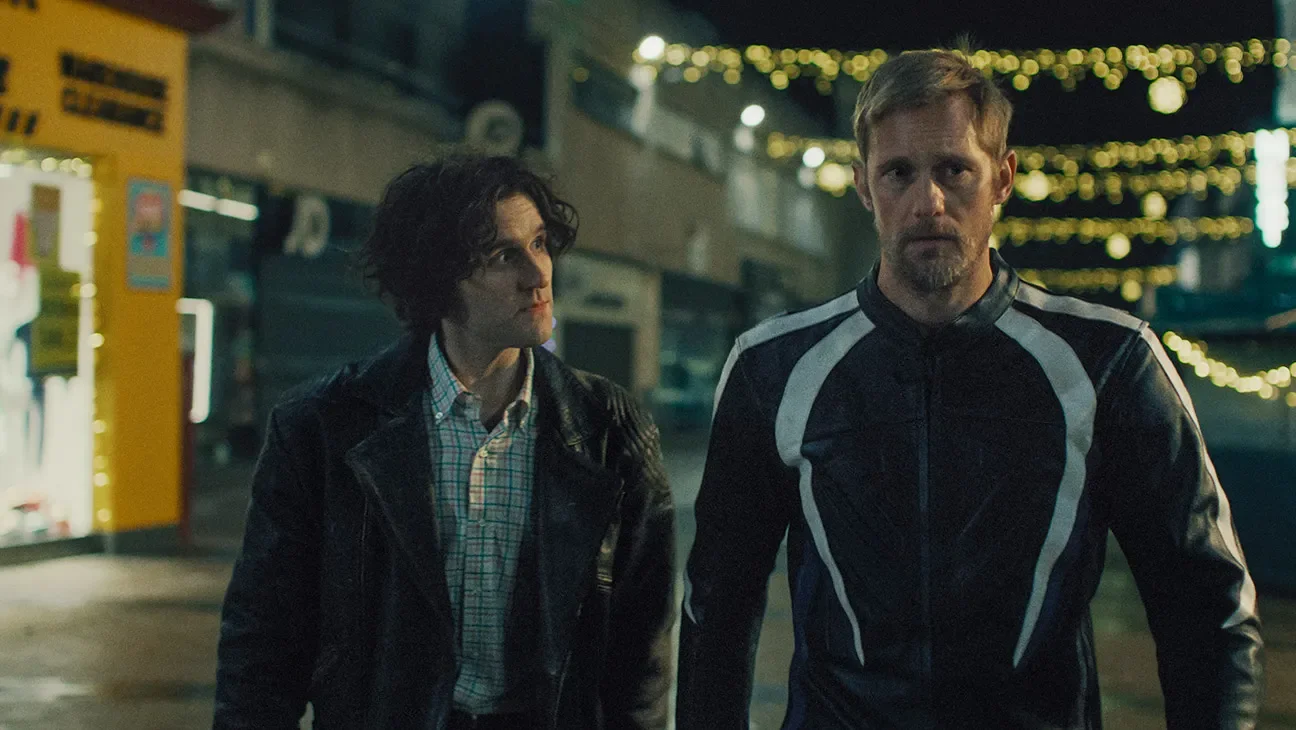
One of the film’s most memorable lines occurs when Colin declares that he has an “aptitude for devotion.” The line is delivered with a touch of humor, but it reveals something profound about his psychology.
Colin’s devotion initially manifests less as empowered submission and more as self-erasure. He follows Ray’s lead without question. He anticipates expectations that have not been explicitly articulated. After his first night sleeping on the floor — rising to an alarm beside cleaning supplies — he asks Ray whether he has “passed the test.” Notably, this was a test he never explicitly consented to. Experienced kink practitioners understand that consent is explicit, not implied. A submissive agreeing to serve is not the same as agreeing to hidden evaluations.
Despite all of Colin’s unmistakable effort, devotion in this film is not one-sided.
Ray demonstrates his own form of commitment. He outfits Colin in proper motorcycle gear; not only to protect him physically, but to induct him into the culture. He collars Colin, a deeply symbolic act within the BDSM community that often signifies commitment and negotiated belonging. Importantly, Ray wears the key to that collar around his own neck. The symbolism is subtle but powerful: authority may sit with the Dominant, but responsibility sits there too. Devotion, in a healthy D/s relationship, is reciprocal, even when power is asymmetrical.
D/s Dynamic: Attunement and Adjustment
Just a quick detour for a vocabulary lesson.
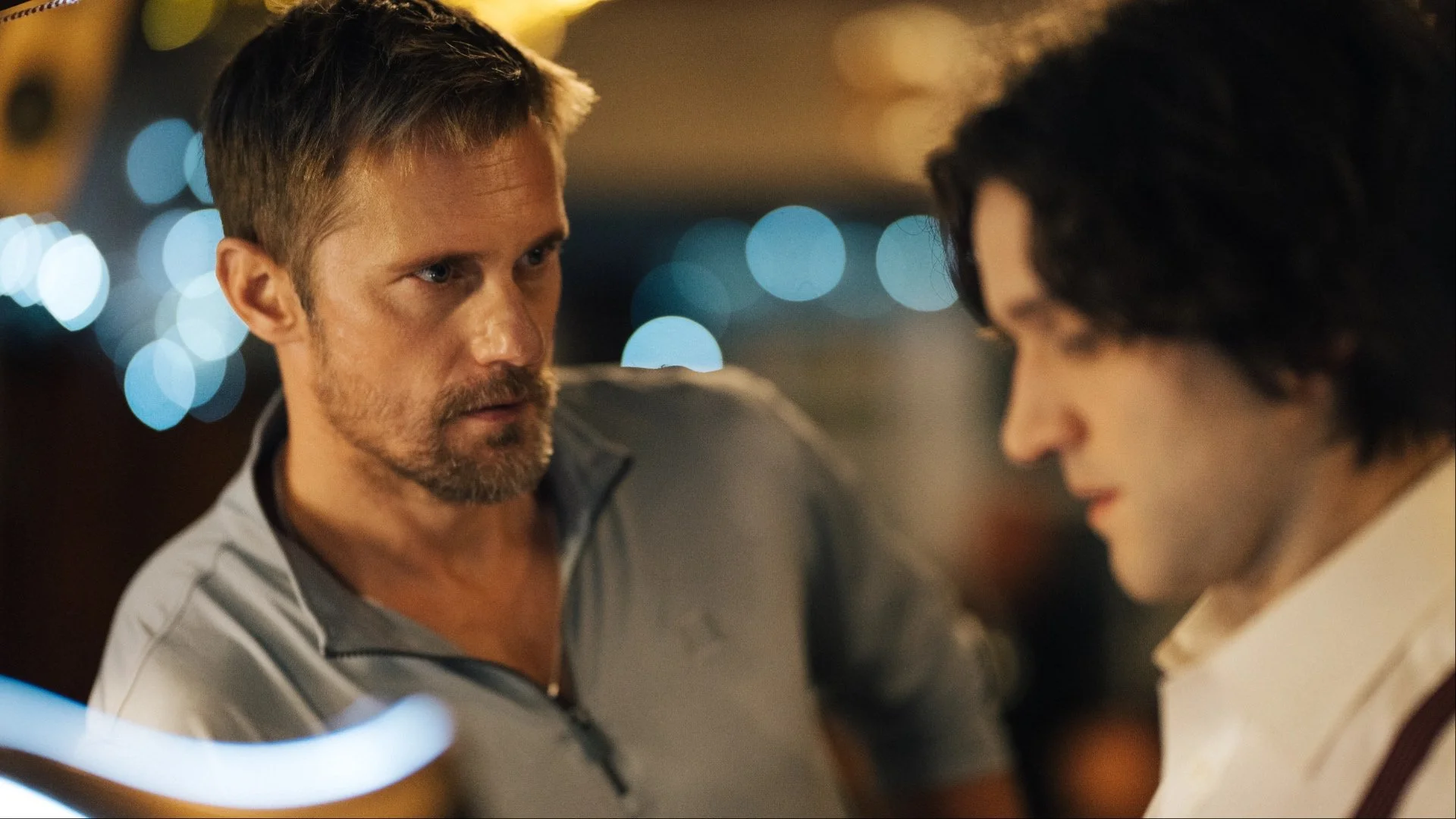
Attunement is the capacity to be consciously aware of, sensitive to, and responsive to another person’s emotional and physical state. It creates the feeling of being “felt.” This is a foundational skill for any masterful Dominant.
Adjustment is the behavioral response that follows attunement. It is how a Dominant modifies their presence, pacing, activities, or rules in order to maintain connection, pleasure, and safety. Adjustments may be subtle — loosening restraints, shifting tone, changing rope placement — or significant, such as removing an activity entirely or renegotiating structural rules within a dynamic.
Ray demonstrates both.
During their first attempt at anal sex, he stops when he recognizes Colin’s pain, rather than opting to push through for his own gratification. While Ray does not offer overt emotional reassurance (which I would have preferred) he does offer a solution. He instructs Colin to train with a butt plug, presenting it as preparation. It is pragmatic rather than tender, but it is still an adjustment grounded in awareness.
The most significant adjustment occurs after Colin’s mother’s funeral. Colin is dysregulated — burning his own hands, sobbing, unraveling. Ray immediately tends to his injuries and stabilizes him. Then comes the deeper shift: Ray orders pizza (a departure from Colin’s service role) and allows him to sleep in the bed. This is not a small deviation. It is a structural adjustment in the dynamic. Ray recognizes that the protocol must yield to the human in front of him.
This is what experienced Dominants do. They prioritize the person over the performance of dominance.
Unfortunately, the dynamic falters after the adjustment. Colin does not want to return fully to the previous structure. He asks to renegotiate (really negotiate for the first time) including requesting a day off from the dynamic. Collin’s request simply adds to the building tension created by the lack of negotiation from the onset of the relationship. Their dynamic unfolded organically, but without the explicit scaffolding that seasoned kinksters typically construct.
When Colin steals the motorcycle, the act functions as protest behavior — an attempt to force change in a system where he does not feel heard.
What moved me most was Ray’s response the following morning. He wakes Colin gently, brings him inside, and feeds him breakfast. He does not explode. He does not retaliate. He metabolizes his anger privately and chooses care over punishment. Ray is a master of his anger and can control his behavior - the purest expression of healthy dominance.
Dominance as a Barrier to Vulnerability
Ray is an enigmatic figure. The audience knows very little about his interior world. He commands rather than asks. In the opening scene, when he wordlessly drops change on the counter, signaling for Colin to count it, we witness dominance without force. It is controlled, economical, and magnetic. As a portrayal of presence-based dominance, it is masterful.
And yet, it becomes clear that Ray may be using dominance not only as erotic expression, but as emotional armor.
Many people gravitate toward control because it creates the illusion of safety. If I control the environment and the people within it, I can control outcomes. Of course, this is never fully true. When Colin destabilizes after the funeral; defying instructions, crossing boundaries, acting out — Ray’s composure cracks. The scene in which he barricades his bedroom door with his body is telling. I felt Ray’s fear in that moment. Whether that was intentional direction or performance choice, it suggested history. It suggested that Ray has learned to guard himself both emotionally and physically.
The emotional distance between Ray and Colin cannot be attributed solely to leather culture or D/s structure. During the camping trip, another submissive remarks that Ray’s “no kissing” rule would be a dealbreaker. Around the campfire, we see other D/s couples sharing nurturing, non-erotic touch. Affection and power exchange are not mutually exclusive.
Ray and Colin, however, sit apart. Which has more to do with Ray’s discomfort with intimacy than him being a poor Dominant.
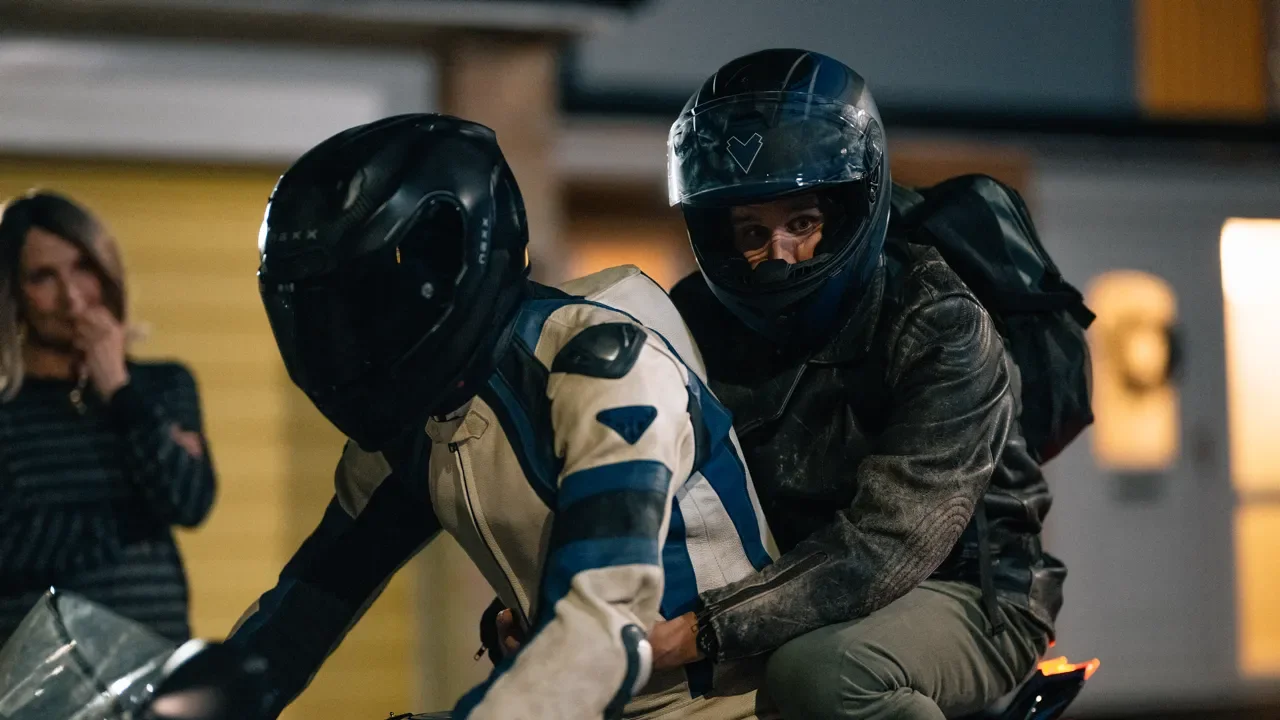
The motorcycle scenes become symbolically important. Riding pillion is the only time Colin wraps his arms around Ray; the only time physical affection is permitted. It is controlled, directional intimacy: touch without eye contact, closeness without emotional exposure.
Ray’s relationship with his dog, Rosie, offers further insight. The names tattooed on his chest — Ellen, Wendy, and Rosie — suggest a lineage of animal companions. For many trauma survivors, animals provide the safest attachment bond available: consistent, nonjudgmental, and predictable. They love without demanding emotional transparency. It is not difficult to imagine that Ray finds safety there in ways he cannot yet tolerate with humans.
The culmination arrives at the end of their “day off.” Ray initiates a kiss after reading Colin’s desire. It is passionate and mutual. For a moment, Ray allows something unguarded to surface, a flash of sadness, almost grief. It is as though his vulnerability breaches the wall. And then, just as quickly, the façade returns. Dominance reasserts itself as cover.
In that instant, we understand that the relationship, as structured, cannot hold both men’s needs.
Pillion succeeds because it refuses caricature. It does not reduce BDSM to pathology, nor does it romanticize it into fantasy. It portrays power exchange as it often exists in the real world: negotiated imperfectly, shaped by personal histories, capable of both profound connection and profound avoidance.
As a BDSM educator and practitioner, what I appreciated most about the film was the commitment to nuance. Ray is neither villain nor hero. Colin is neither helpless nor foolish. They are two people using the tools available to them (dominance, devotion, structure, rebellion) to try to meet fundamental human needs for love and safety.
Ultimately, the film is not about leather or chains. It is about the tension between control and surrender; not just in the bedroom, but in the heart.
And that is why it lingers.